
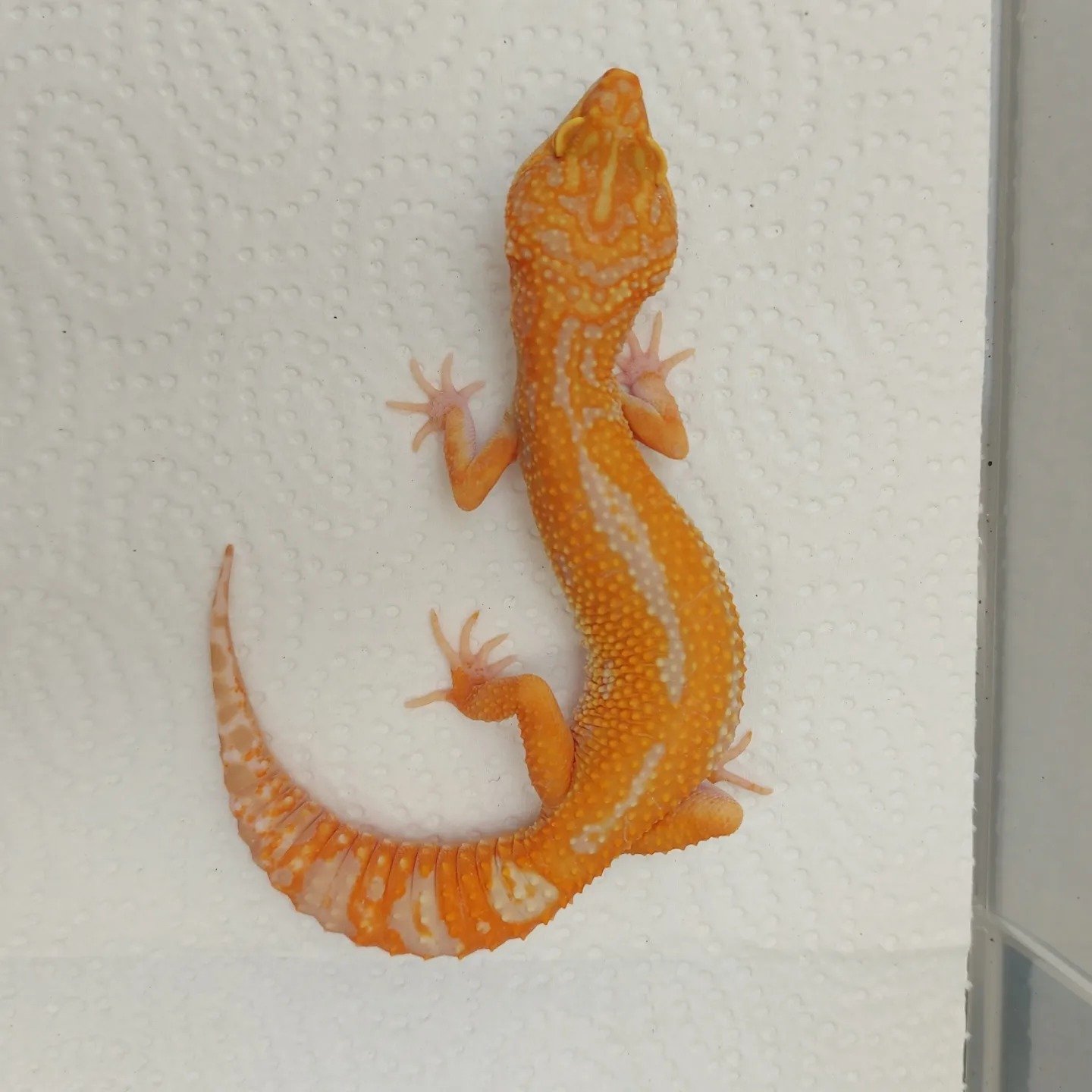
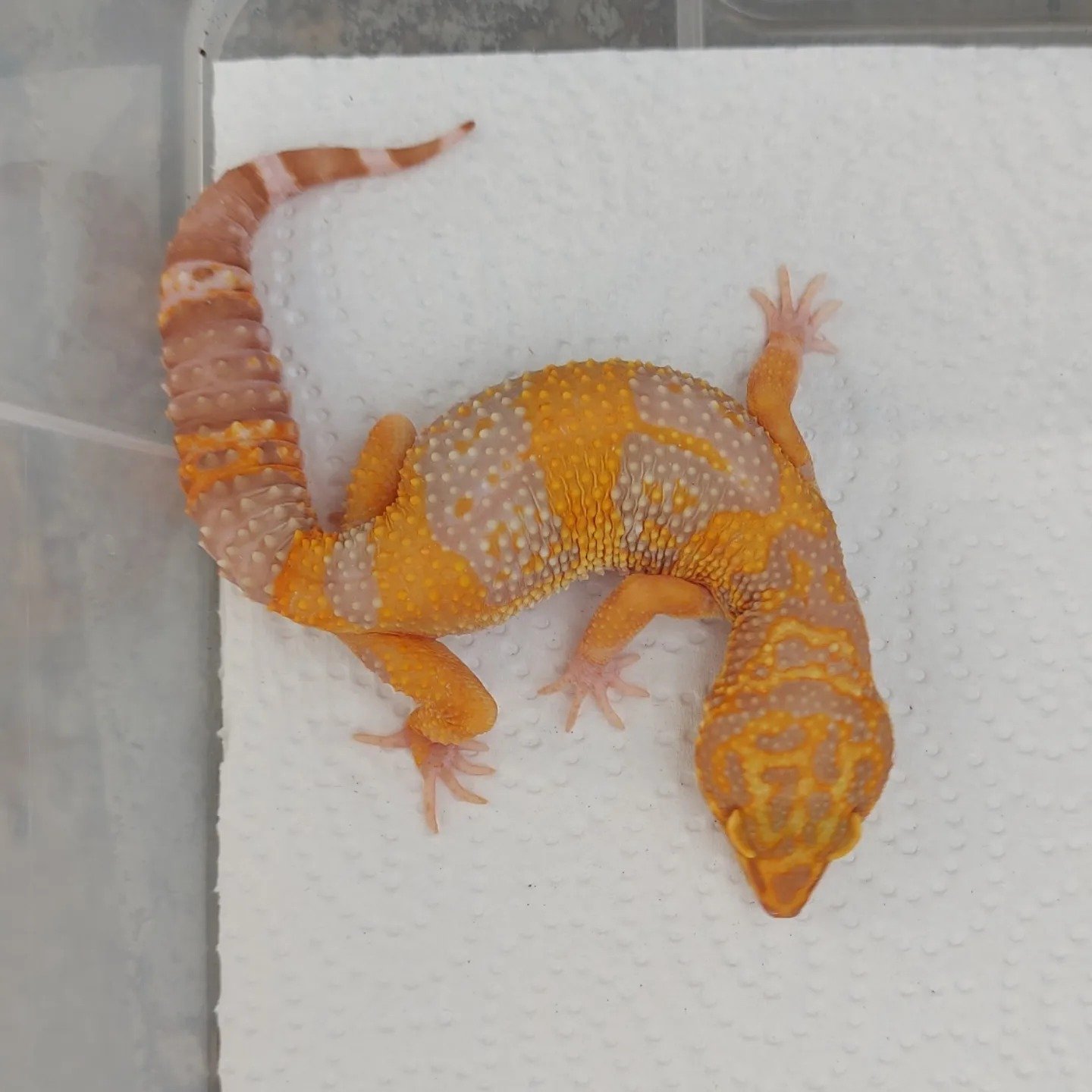
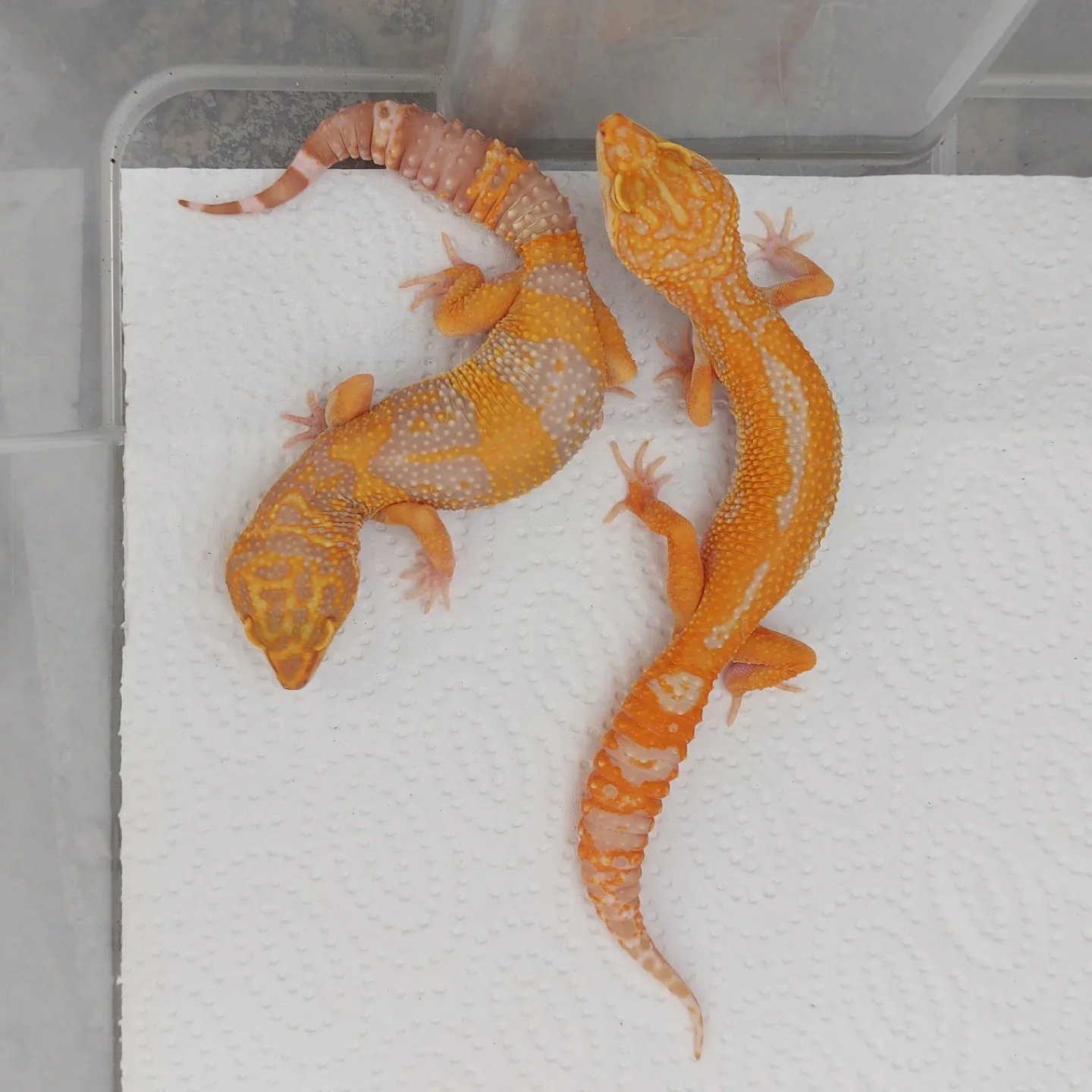
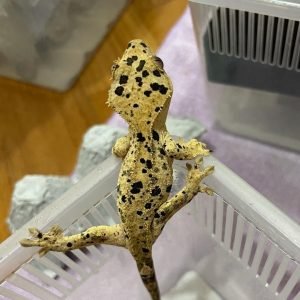
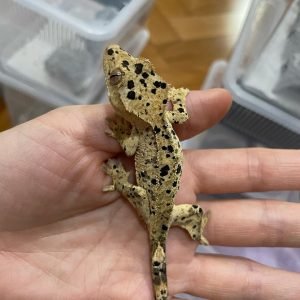
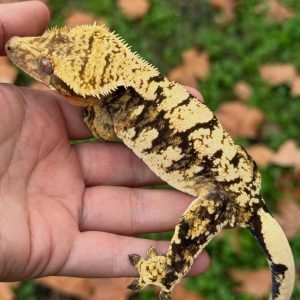
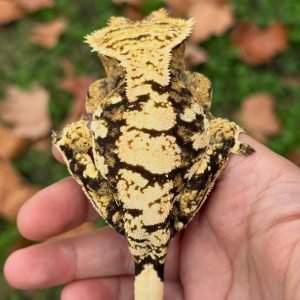
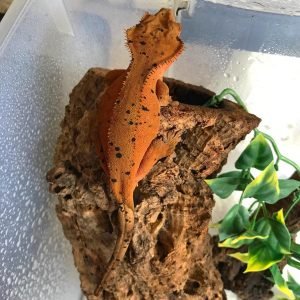
Bring home one of the most radiant and visually captivating morphs in the reptile hobby with the Super Tangerine Leopard Gecko (Eublepharis macularius). Developed through selective line breeding over many generations, the “Super Tangerine” (often linked to famous lines like Sunglows or Blood Tangers) completely elevates the standard leopard gecko by flooding the skin with rich, deep-set orange and tangerine pigmentation. Many specimens boast clean, unblemished bodies free of heavy spotting, letting the fiery citrus hues take center stage. Complemented by movable eyelids, a robust terrestrial build, and the famously calm, docile demeanor of the species, the Super Tangerine delivers an unbeatable combination of warmth, beauty, and an interactive pet experience.
Key Features & Care Requirements
-
Intense Saturated Orange Pigmentation: Features stunning, high-pigment tangerine and apricot coloration that often intensifies as the gecko matures into adulthood.
-
Clean, Low-Pattern Aesthetics: Many lines showcase minimal or completely clear dorsal spotting, offering a sleek, uniform canvas of vibrant citrus color.
-
Legendary Docile Temperament: Inherits the famously calm, gentle, and slow-paced personality that makes leopard geckos exceptionally safe, friendly, and rewarding to handle.
-
Spacious Terrestrial Enclosure: Requires a wide, horizontal terrarium (minimum 20 to 40 gallons for an adult) equipped with multiple secure hiding spots on both the warm and cool sides, plus a moist hide box to assist with shedding.
-
Precision Floor Heat Gradient: Thrives with a proper thermal gradient, ranging from an ambient cool side of 75°F up to a warm basking floor temperature of 88°F to 92°F, safely maintained via a regulated under-tank heating mat or overhead deep heat projector.
-
Strictly Insectivorous Diet: An insect-eating diet consisting of live, gut-loaded crickets, dubia roaches, and mealworms, dusted regularly with calcium, minerals, and vitamin D3 supplements.
Important Note: Leopard geckos store energy and fat reserves in their tails, which should always remain plump and healthy. With proper care and gentle, daily interaction, they easily live 15 to 20 years as remarkably friendly and brilliantly glowing companions.


Reviews
There are no reviews yet.